
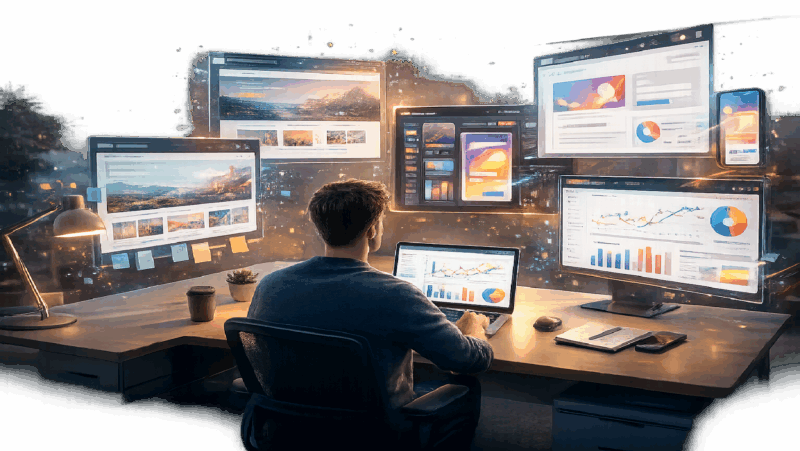
Vibe coding, popularized by tech leaders in early 2025, describes using AI to generate software by simply describing the desired vibe or outcome, rather than writing code.
Now, marketers have their own version of this trend: vibe marketing. Just as vibe coding lets developers create apps from natural-language prompts, vibe marketing uses AI and no-code tools to craft campaigns and programs.
Vibe marketers brainstorm in plain English with AI tools. They can quickly spin up personalized ads, webpages and workflows. They don’t need to wait on big teams or IT. This approach is gaining serious traction. Even new startups are hiring “Vibe Marketers” with salaries up to $1 million.
Clearly, the vibe is real. But how should marketers rethink their stack to keep up?
What is vibe coding (and why marketers care)
Vibe coding is a trend in software development where, instead of writing code, the developer describes what they want and lets AI generate the software. You interact with a large language model (LLM) about a project, and it produces functioning code while you guide the outcome.
Why does this matter for marketers today? Because it heralds a similar shift in marketing.
Like vibe coding, vibe marketing promises to democratize and speed up marketing. Marketers can now describe the desired output— emails, ads, landing pages, or workflows. Intelligent tools handle the build.
This shift lets marketing teams focus more on vision and creative direction. Automation handles the heavy operational lift. The movement is already influencing the martech ecosystem. Industry voices call it vibe marketing.
Dig deeper: The Vibe Marketing manifesto
Vibe marketing is essentially the marketer’s answer to vibe coding. As MarTech consultancy Brandastic puts it,
“Vibe marketing is the end of bloated, over-complicated marketing departments and the beginning of lean, fast, AI-augmented workflows”.
Instead of slow, rigid campaigns relying on handoffs, vibe marketing enables real-time, iterative campaigns that adapt instantly. It doesn’t replace creativity or strategy; it augments them. Marketers focus more on strategy and messaging, automating tasks best handled by machines.
Why marketing leaders should care
In 2025, interest in vibe marketing surged nearly 7x. It quickly became a hot topic among marketers and here at MarTech.
Instead of patching together big marketing suites and manual processes, a new vibe marketing stack is emerging. It combines several key technologies.
- Workflow automation builders like Make or Bolt enable no-code app and data integration.
- AI content and design generators (e.g., ChatGPT, Claude, Midjourney) that scale creative production.
- AI agents that monitor and optimize campaigns in real time.
- AI-assisted development tools that generate full web apps or dashboards from prompts.
For marketing and demand gen leaders, this signals a structural shift. Campaigns that once took months or required costly agency support can now be launched in days. A single marketer, or a small team, can do it. This agility unlocks rapid experimentation, faster GTM cycles and major cost efficiencies.
Dig deeper: Lessons from letting AI vibe code a landing page
I experimented with three emerging “vibe marketing” platforms – Bolt, Lovable and Make – to see how they could streamline marketing projects.
Bolt: Chat-based app building for campaigns
Bolt (at bolt.new) is a code generation platform that creates full-stack web applications from a simple chat prompt. It was originally created to help entrepreneurs and developers prototype apps extremely fast.
I used it to create a campaign microsite with a form, CRM and admin dashboard – without writing a line of code.
Bolt handled front-end and database setup (using React and Supabase). This saved days of development. While I hit a few snags with complex features, Bolt’s speed made it invaluable. I could test, learn and iterate without waiting on engineering.
During this pilot, I did encounter some limitations: certain design details and complex logic required careful prompting of the AI.
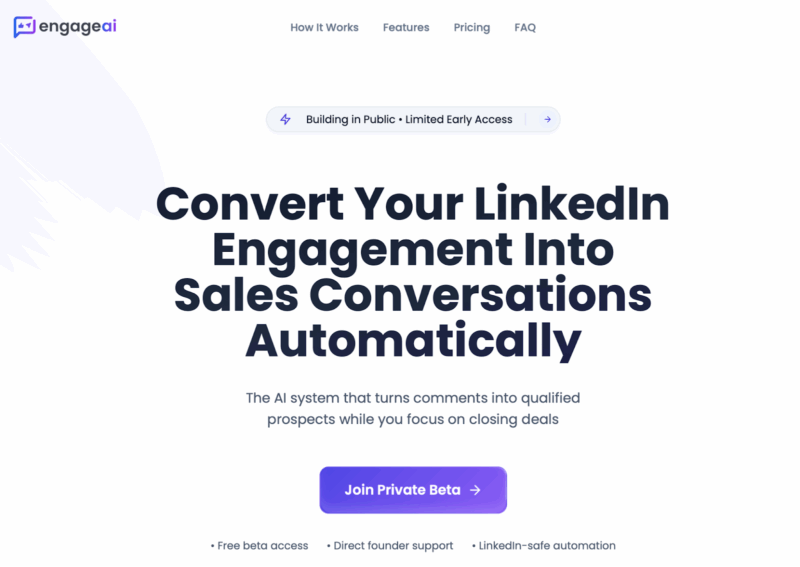
Takeaway: Bolt is great for rapid prototyping. For very specific or advanced features, you might still need to intervene or use a developer’s help for polishing.
Lovable: AI-generated web apps and dashboards
While Bolt is slightly more developer-oriented, Lovable (lovable.dev) targets a broader audience, including non-technical founders and business teams such as marketers. It lets you build complete applications by describing your needs in natural language, importing design files (e.g., Figma) or uploading screenshots of UIs you like.
Dig deeper: 5 capabilities that separate AI-native teams from everyone else
For marketers, Lovable is compelling for quickly creating internal tools or custom dashboards. In my case, I tested Lovable to create an event analytics dashboard tool for a pilot client.
I prompted it with: Create an event management and analytics app featuring event creation, discovery, registration and attendee insights.
After that, I proceeded with further customization, like customizing the branding, adding event categories/tags, email notifications and an attendee management dashboard.
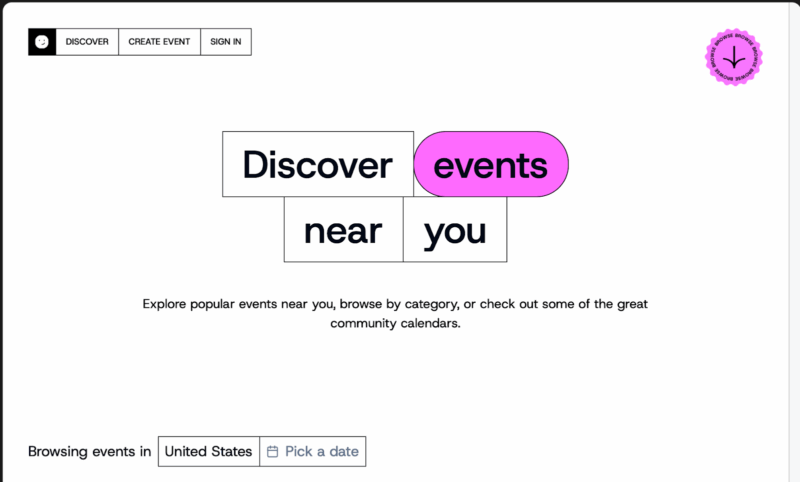
Takeaway: I liked the easy-to-use UI and marketer-oriented workflow. Prompt quality determines the value you get from Lovable. Phrasing requests clearly mattered, like “show X metric by timeframe” or “add a login page with Google OAuth.”
Make.com: Automating marketing workflows with no-code
Make is a well-known no-code automation platform. It’s being used more and more in vibe marketing setups. I can visually drag and drop to connect apps and define workflows. It’s similar to Zapier but more flexible, with less of a learning curve.
In vibe marketing, Make shines as the glue that holds everything together behind the scenes. I used it with the previous tools to automate the data flow and campaign actions.
For example, I created an automation to monitor a Facebook page’s social engagement. It sent email alerts using OpenAI GPT. I could automatically track updates and receive insights in my inbox.

To set it up, Make’s visual builder uses modules (triggers, actions, etc.) in a logical flow. I configured each module—for example, the email content was generated dynamically by a GPT module based on a prompt template I wrote.
Takeaway: This freed my time from repetitive tasks like data entry and email drafting. More importantly, Make connected all my tools, turning standalone systems into a living, responsive marketing engine.
What marketing leaders need to do next
Marketing and demand gen leaders should reconsider upskilling their marketing teams and updating their tech stack.
Vibe marketing tools allow lean teams to execute faster and test more ideas. They automate tedious work. This doesn’t mean eliminating people. It means letting talent focus on high-leverage strategy and storytelling.
Upskilling teams in AI and no-code platforms should be a priority for marketing leaders. Consider hiring hybrid talent — vibe marketers — who blend marketing know-how with technical and AI skills.
As you update your stack, keep governance in mind. Vibe coding chaos can creep in if everyone builds ad-hoc widgets. Set guidelines for brand consistency, data quality and security as your team enjoys no-code freedom.
For marketing leaders, it’s an opportunity to re-architect how marketing gets done. Those who embrace it will operate faster, scale smarter and resonate deeper.
The future is collaborative, AI-accelerated and undeniably vibey.
Fuel up with free marketing insights.
Contributing authors are invited to create content for MarTech and are chosen for their expertise and contribution to the martech community. Our contributors work under the oversight of the editorial staff and contributions are checked for quality and relevance to our readers. MarTech is owned by Semrush. Contributor was not asked to make any direct or indirect mentions of Semrush. The opinions they express are their own.